
The Luminous Atlas
Yoga · Nondual Philosophy · Embodied Practice
Your life can be full — and something can still feel missing.
And what’s missing may turn out to be closer than you’d think.
Practices and teaching for living more steadily inside an ordinary life — less reactivity, better sleep, more room to breathe. Forty years of yoga and a thousand-year-old nondual tradition, in plain language. Wherever you came from, however far along: welcome.
Enter ↓ New to yoga or nonduality? Start here →Nothing big to expect makes it much easier to land where we already are.
Start Where You Are
Wherever you’re standing, there is a next step.
Everyone arrives from somewhere different, and every one of these is a fine place to begin. Find the one that sounds like your week — and start there.
You’re curious, and all of this is new.
You’ve never done yoga, never meditated, and half the words here read like a foreign language. You’d just like to know what any of it is actually for, in plain English, before deciding whether to bother.
Start here → If this is youYou’re calm on holiday and gone by Tuesday.
You’ve had moments where things felt clear and settled — on a walk, after a good class, in the second week of a holiday. Then normal life resumes and it’s gone within days. This is the most common place to get stuck, and the most workable one. These practices are about getting that steadiness into the argument, the commute, the Tuesday afternoon — where you actually need it.
Practices that carry over → If this is youSomething happened, and it shook you.
An experience arrived out of nowhere — in meditation, on the mat, or on an ordinary afternoon. Perception went strange, or the sense of being yourself thinned out, and it hasn’t fully settled since. You are still yourself, this has a name, and there is language that helps.
Find your bearings → If this is youYour body holds what your head can’t sort out.
Talking about it only gets you so far. The tightness in your chest, the sleep that won’t come, the reaction that fires before you’ve decided anything — those live in the body, and they respond to being worked with directly, gently, at a pace your nervous system trusts.
The somatic path, with Lydia → If this is youSomething in your actual life needs sorting.
Work, money, a relationship, your health, a decision you’ve been circling for months. You’d like to think it through properly with someone, in a structure that holds, rather than turning it over alone at 3am.
One-to-one coaching → If this is youYou’ve been at this a while and want it honest.
You know the territory, and you know how easily it goes wrong — the quiet pride in progress, using insight to skip past feelings, mistaking a good week for arrival. Here are the honest signposts, written by someone still running into them.
Honest signposts →One World
How it all fits together.
Everything here points at one thing: the steadiness that is already in you, underneath the noise of an ordinary day. Three ways in, depending on how you learn — by reading, through the body, or in conversation.
The Luminous Atlas
reading, notes, the Compass
The written and reflective side. Where the ideas live, where the questions get asked, and where you can find your own bearings at your own pace. Free and open.
The PracticePranaSomatics
the body-based path, with Lydia
Practical, body-first work built and taught together with my partner Lydia — somatic and nervous-system practice, courses, and trainings.
CoachingOne to One
in conversation, with me
Six conversations about the practical shape of a life — work, money, relationship, health. Structured, direct, and entirely about your situation.
AboutKai Hill
a traveler leaving notes
Present in the work, staying out of its centre. Someone who walked a stretch of the trail and left a few notes behind — so you arrive at yourself.
First Step · Free
Not sure where you are? Start with the Compass.
A short, honest reflection that shows which of the four doors are most open in you, and where your living edge is. No background needed, no ranking, no score — just language for your own experience, in about twenty minutes.
The Notes
Notes from a pathless land.

This isn’t a route someone drew for you. It’s a set of field notes — what I saw when something opened, set down as honestly as I could, in case any of it helps. The notes appear here one at a time, in the order they were lived, and slowly grow into the shape of one journey — knowing yours will look nothing like it.
Written to relieve, not to instruct — so that whatever has happened to you has company and context, rather than a map telling you where you ought to be. New notes are released as they’re ready; no schedule, no feed to keep up with.
Read the latest noteThe Practices
What actually helps — organized by what you need.
Not techniques for their own sake, and not a collection to complete. Each of these does a specific thing. Choose by what your life is asking for right now, not by how advanced it sounds.
To settle and find ground
Integration · the nervous system first
- Long, slow exhales — the body’s own calming switch
- Feeling the feet, the weight, the contact
- Conscious rest, and sleep as a daily release
- When activated: less input, not more
To open perception
The Energy Door · Śākta
- Soft-gaze: letting the visual field dissolve
- Resting in sound until it merges with hearing
- Sensing the texture of space itself
- Letting vivid states point past themselves
To integrate emotion & relationship
The Embodied Door · Āṇava
- Meeting emotion as raw sensation, without the story
- The body sequence — letting a feeling complete
- Forgiveness as releasing the past held in the body
- Relationship as the real practice ground
To rest in the direct
The Direct Door · Śāmbhava
- The pointing question: “what is aware right now?”
- Nothing to embody — releasing the seeker
- Eyes open, the same: recognition in daily life
- Resting as the awareness that is already here
What People Say
In their own words.
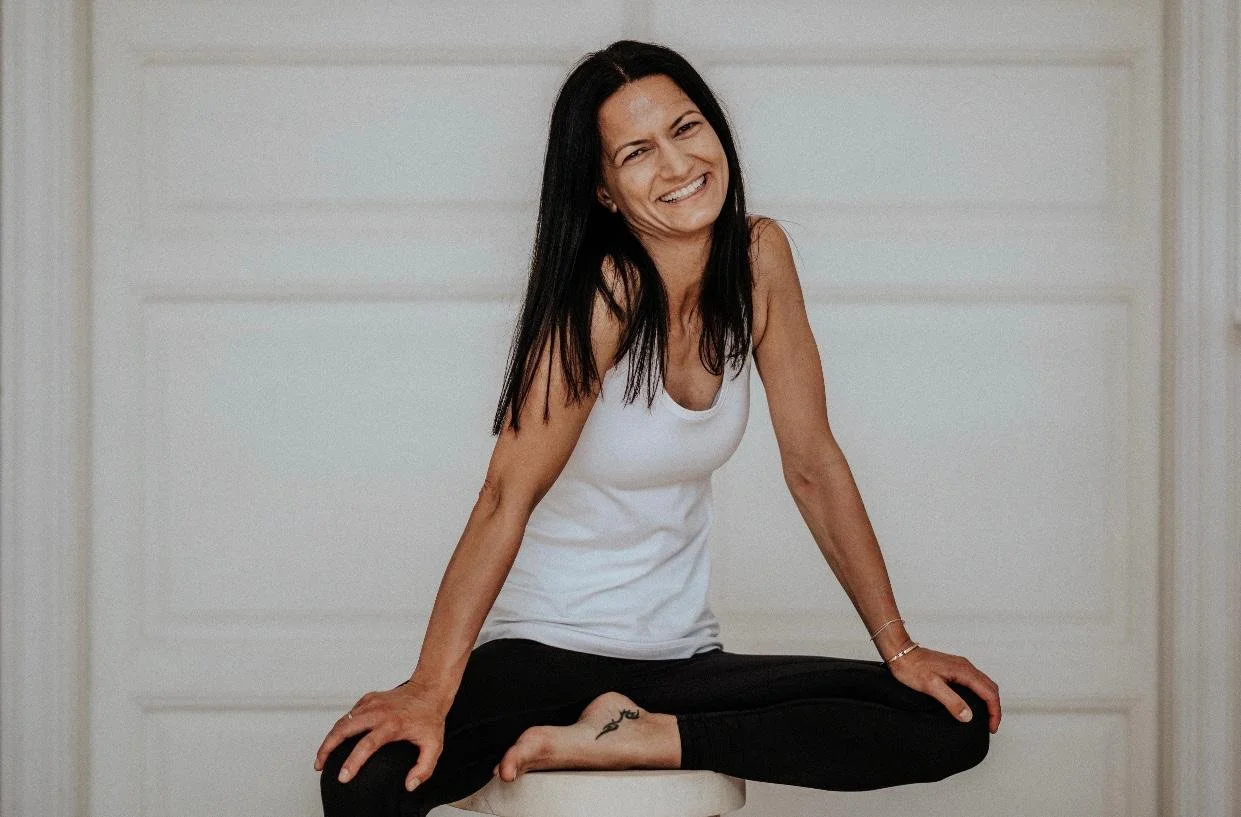
„The AYTT with Kai Hill is by far the best thing I've experienced in my life so far. It undoubtedly surpasses everything I was able to take away from my studies and the trainings that followed. Kai is absolutely wonderful, such a loving free-thinker who questions things and stands up for his opinion. It brings me indescribable joy to be able to learn from him. Kai's personality is so authentic and his way of teaching so joyful and convincing. His enthusiasm for Anusara is so palpable! He manages to make the complexity of Anusara Yoga graspable for me. Kai radiates an unbridled zest for life and loves watching his students grow, in an unconventional and motivating way. His teaching style is gripping, demanding and captivating. He fills the room with his presence and his radiance.“
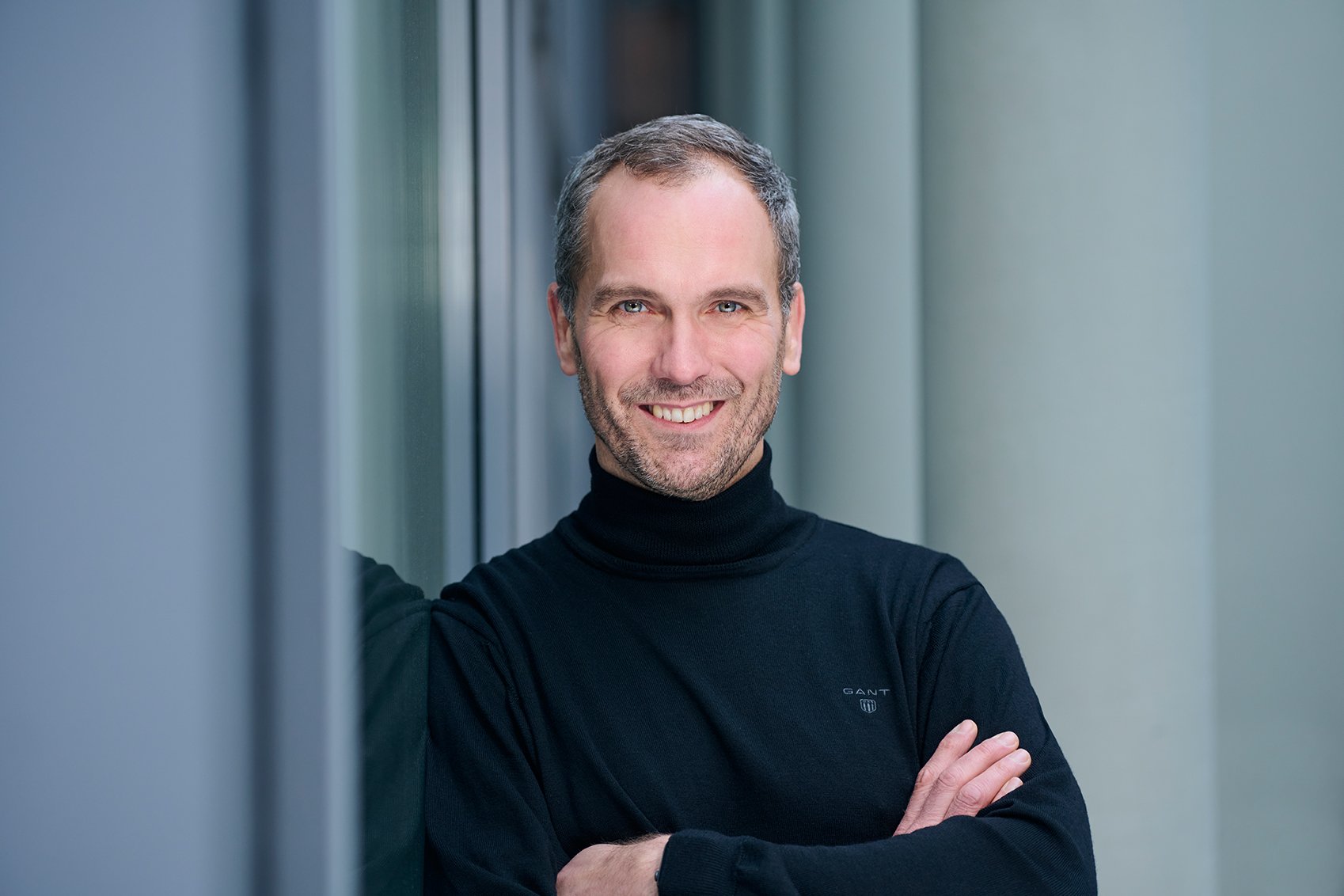
„Kai's way of teaching yoga, and above all showing me as a teacher how to teach yoga students, is inspiring, grounding, exciting, and above all connected with a lot of love and joy. Many thanks for this!“
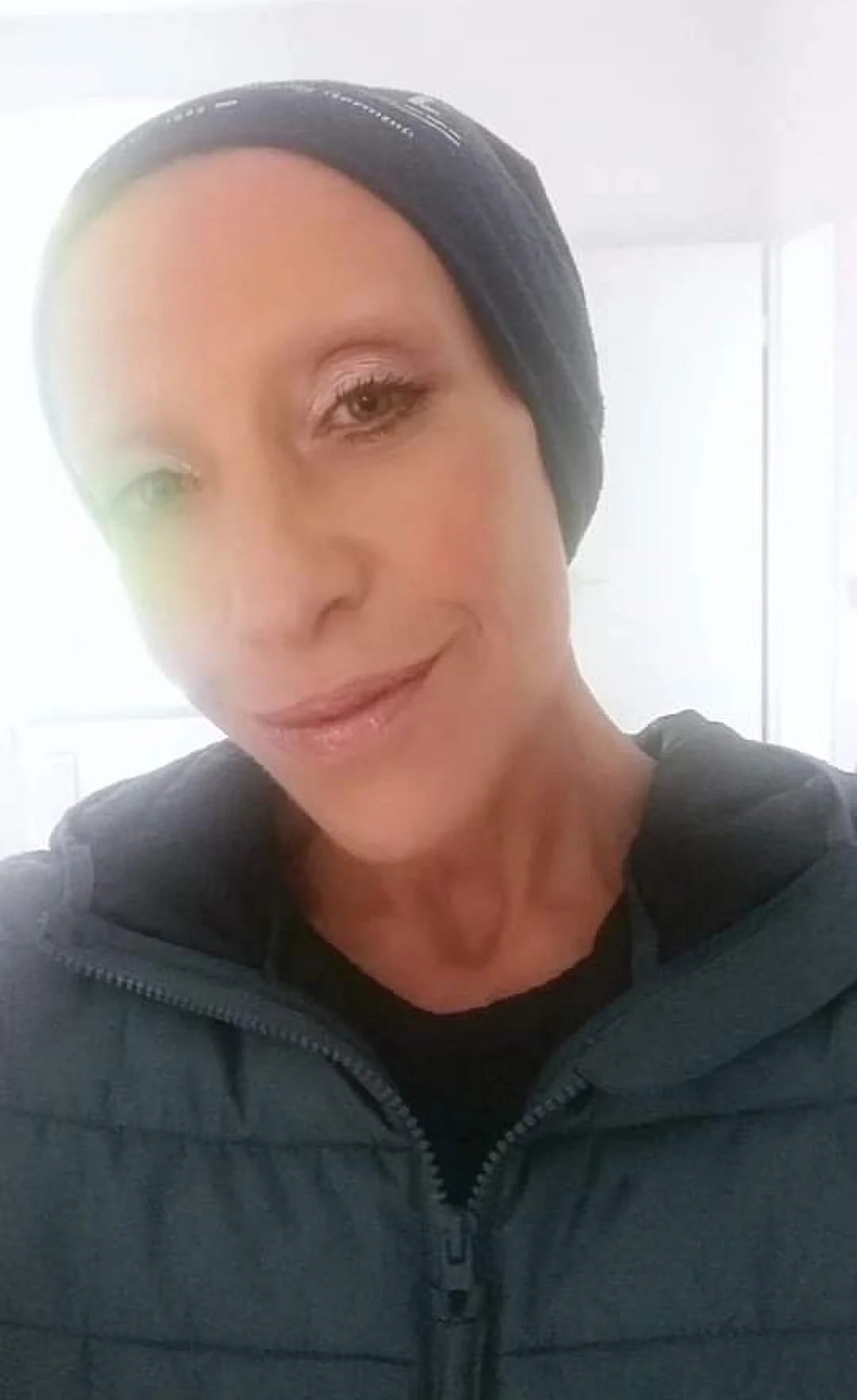
„It is a joy to experience the competence and the honest quality of life of yoga, and Kai as a person. The competence, without narrowness, the open-minded and natural way are the foundation for inviting joy, stability and flexibility into yoga, and for experiencing and developing the meaning, the knowledge and the effect wholeheartedly. ☀️ Humor, quality, creativity and fun give as much strength as lightness. Thank you & Namasté“

„Passionate, full of life, with a big heart ❤“
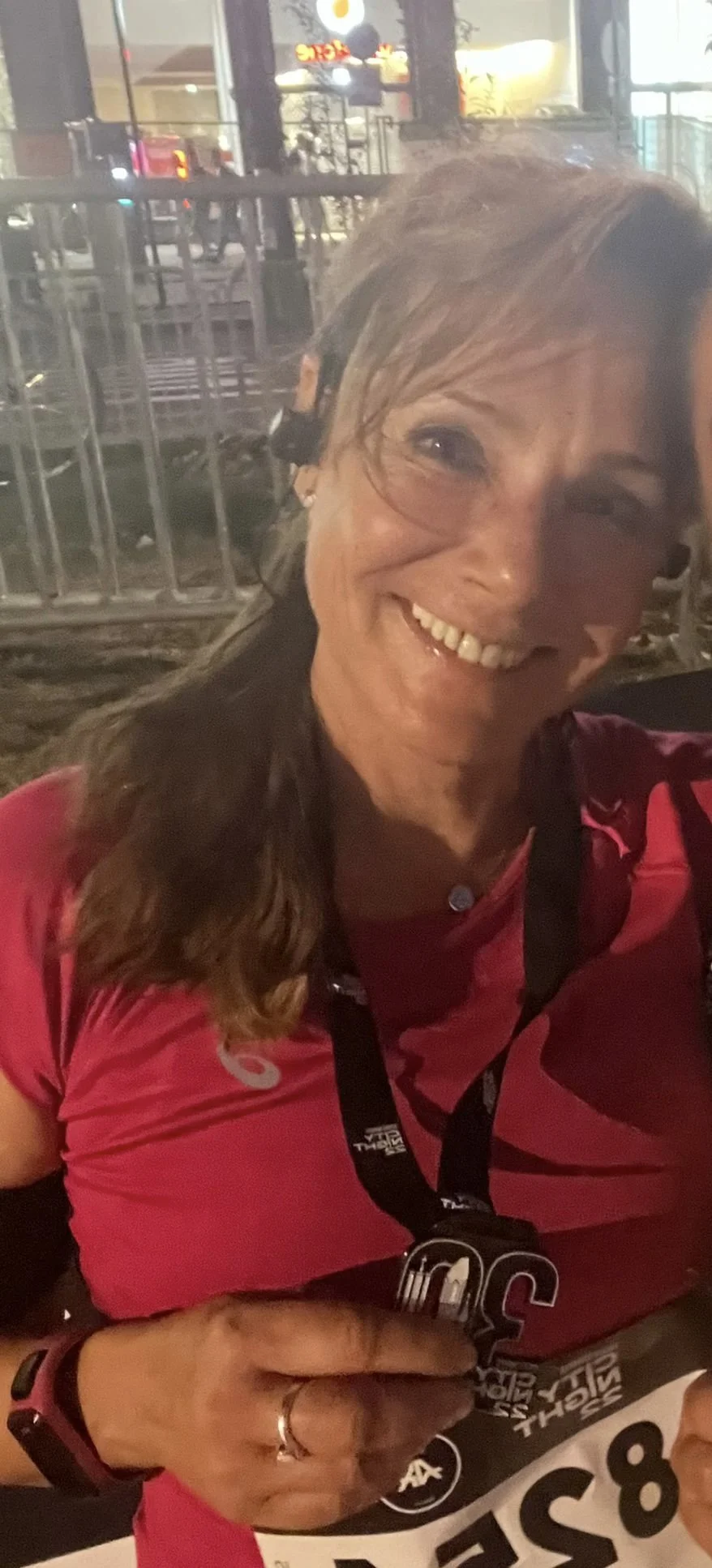
„I came to Anusara Yoga in March 2023. I have practiced yoga myself for more than 10 years. This yoga alignment has a deeper therapeutic background, both physically and mentally. Kai conveys this in such a fantastic way that this alignment completely overwhelmed me. His appreciation for his students, the practical asanas as well as the theory, is very convincing and comes from the heart. Very well-founded and of very high quality! For me, on a mental, physical and spiritual level, an absolute gain! Thank you, Kai!“
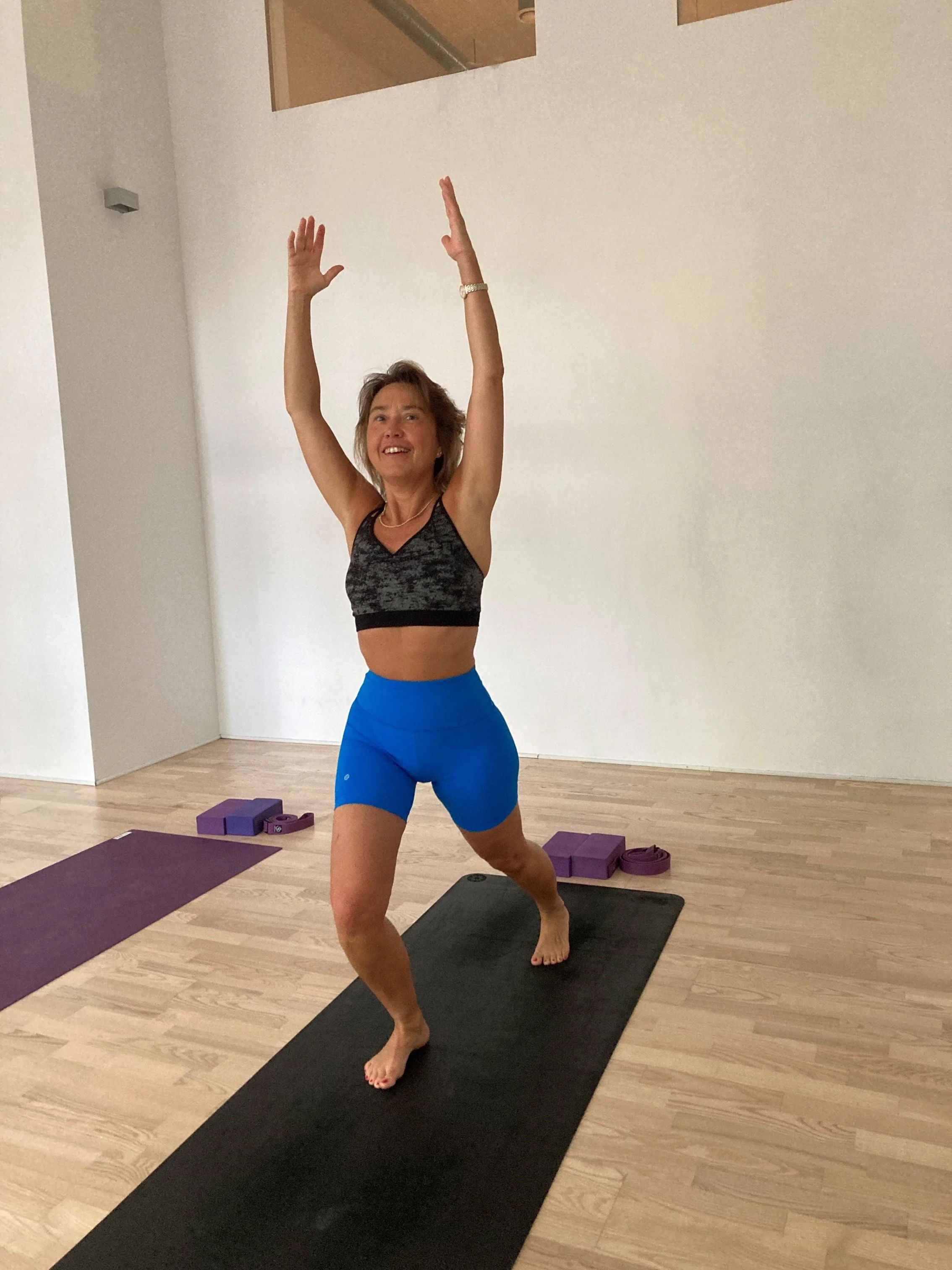
„The training in Anusara Yoga with Kai is inspiring and very well structured. He is a wonderful role model and can adapt perfectly to every level. Thank you for the wonderful experience and your guidance on my Anusara path 🙏“
„Kai surprises in his classes with an immense liveliness and creativity, which is also reflected in very personal, heartfelt themes. His broad knowledge of Anusara and his many years of practical experience skillfully guide students into poses they never thought possible. Beyond that, Kai is a master of centering. His meditations bring me back to myself very quickly. Thank you for these profound experiences!“

„He manages again and again to spark my curiosity in class and take me into the wonderful world of Anusara and Tantra. The classes with him bring me great joy. I'm always infected by the zest for life that Kai radiates, and I feel wonderful every time afterward. I'm so glad I decided to take the full 500h training, and I look forward to this path and the great hours still ahead of me.“
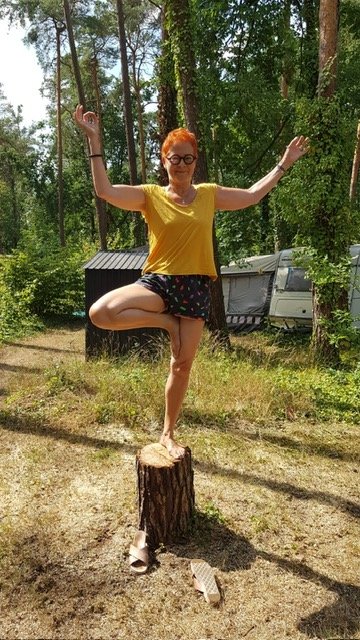
„Yoga with Kai is always funny and unpredictable. At some point you find yourself in a peak pose you always had respect for, and you don't know how you got there.“
„The online immersion with Kai Hill was a very intense, moving and horizon-expanding experience for me. Through his concept of live sessions, videos for deepening, and a workbook, Kai gave a comprehensive insight into a world completely new to me: Anusara Yoga and tantric philosophy. Through his positive, life-affirming presence, Kai managed to turn a colorfully mixed group into a Kula. We learned, laughed, cried, sweated, sang, suffered and relaxed together. The whole fullness of life, just as Tantra asks of us. THANK YOU SO MUCH, KAI.“
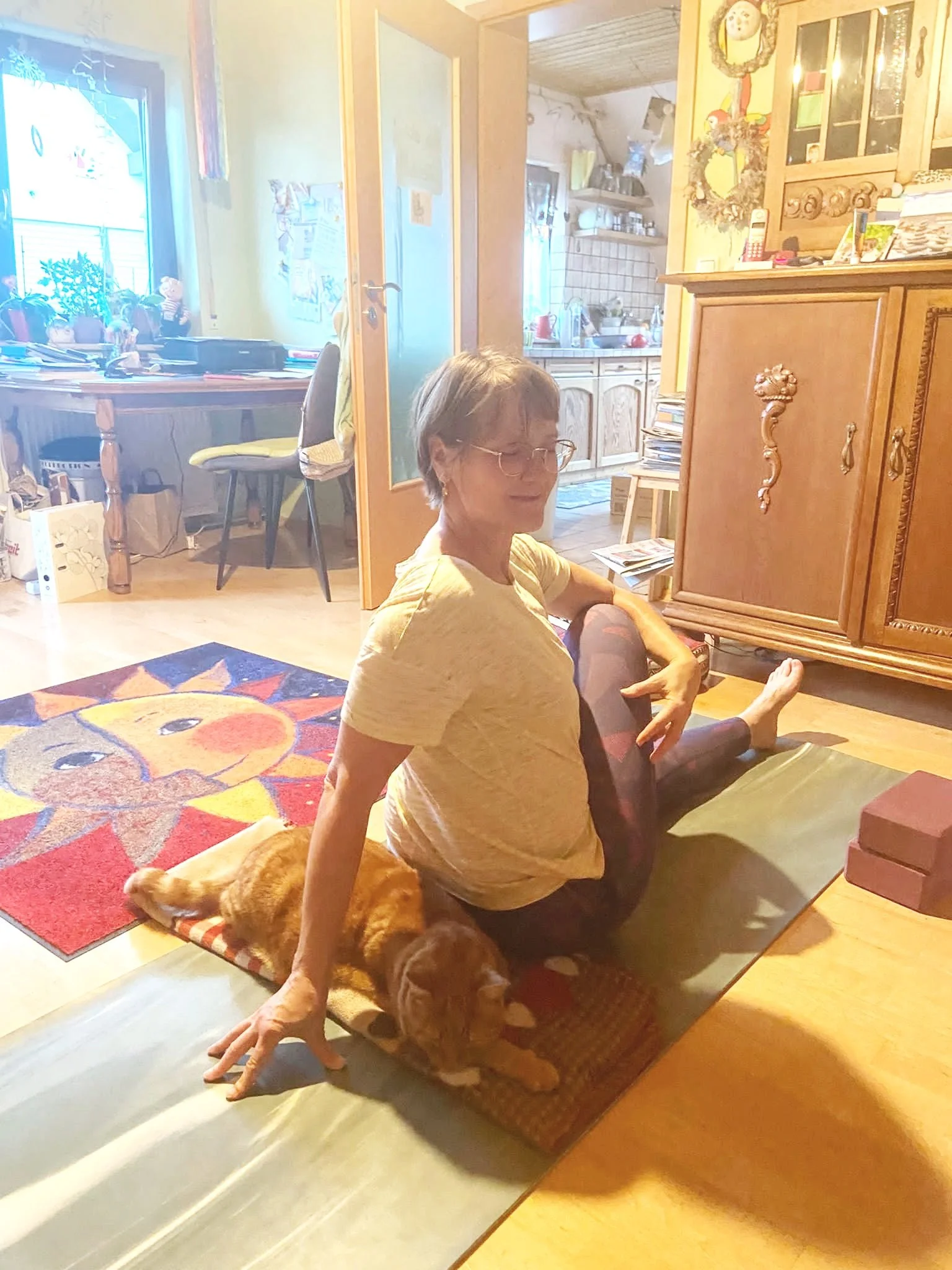
„Kai lives and breathes Anusara Yoga, and it absolutely radiates from him. The spark jumps over to you and infects you completely. I love it! After the yoga class you feel lifted, physically, mentally and spiritually.“
„The Immersion gave me valuable content for my own yoga practice and helped me grow further. My behavior in everyday life has changed. I've become calmer, I don't take things as personally anymore, and I can meet many situations more calmly, especially at work. I reflect on myself and my actions much more than before. At the same time, I accept myself more than before. Of course, I had already practiced yoga regularly and intensively before the Immersion. My daily practice has become even more intense as a result, and I live more consciously.“
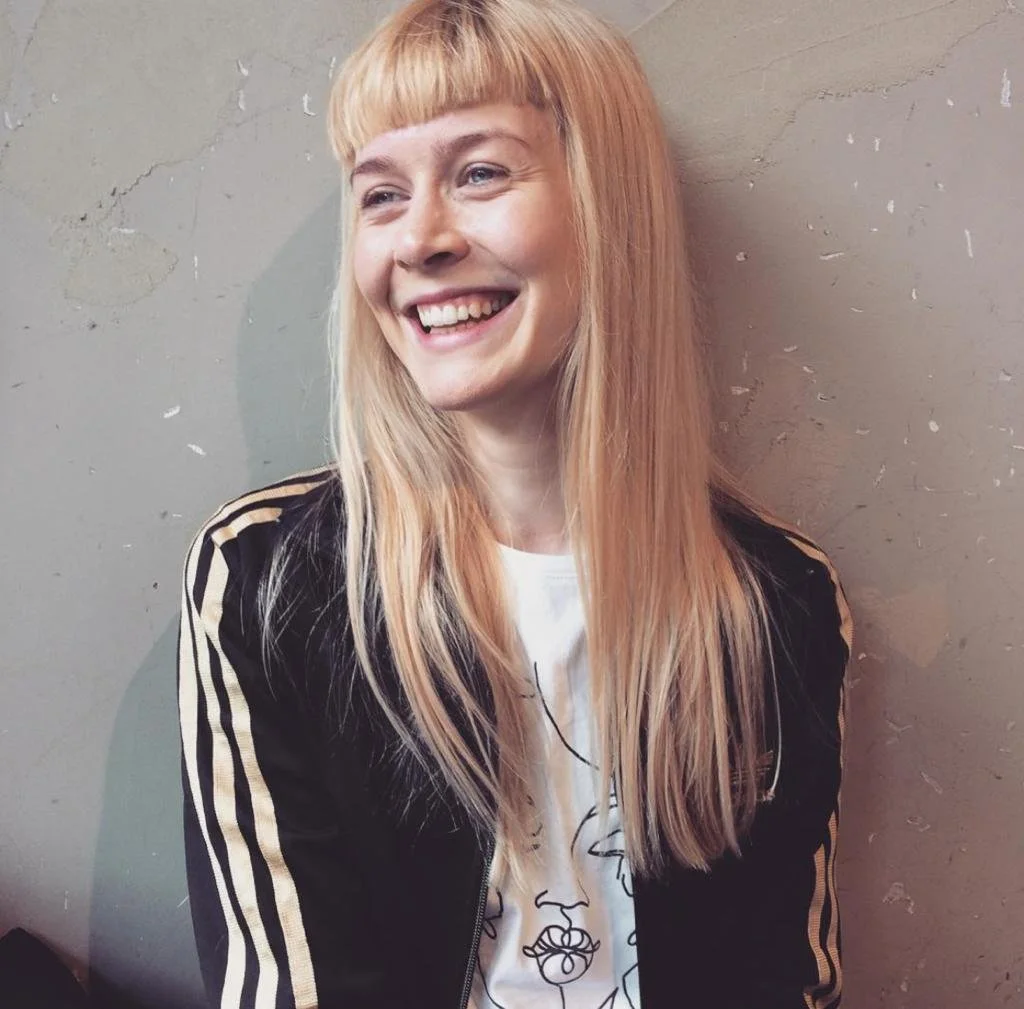
„Kai supports every new teacher very individually, so that each person can find their own personal teaching style. He pays special attention to each person's particularities and characteristic qualities and helps them find their full potential. The clear alignment principles and the universal aspects of yoga, as well as the tantric philosophy, are explained precisely and worked out together in the group by Kai. This way, everyone can internalize it, understand the meaning behind it, and happily pass this knowledge on to their own students.“
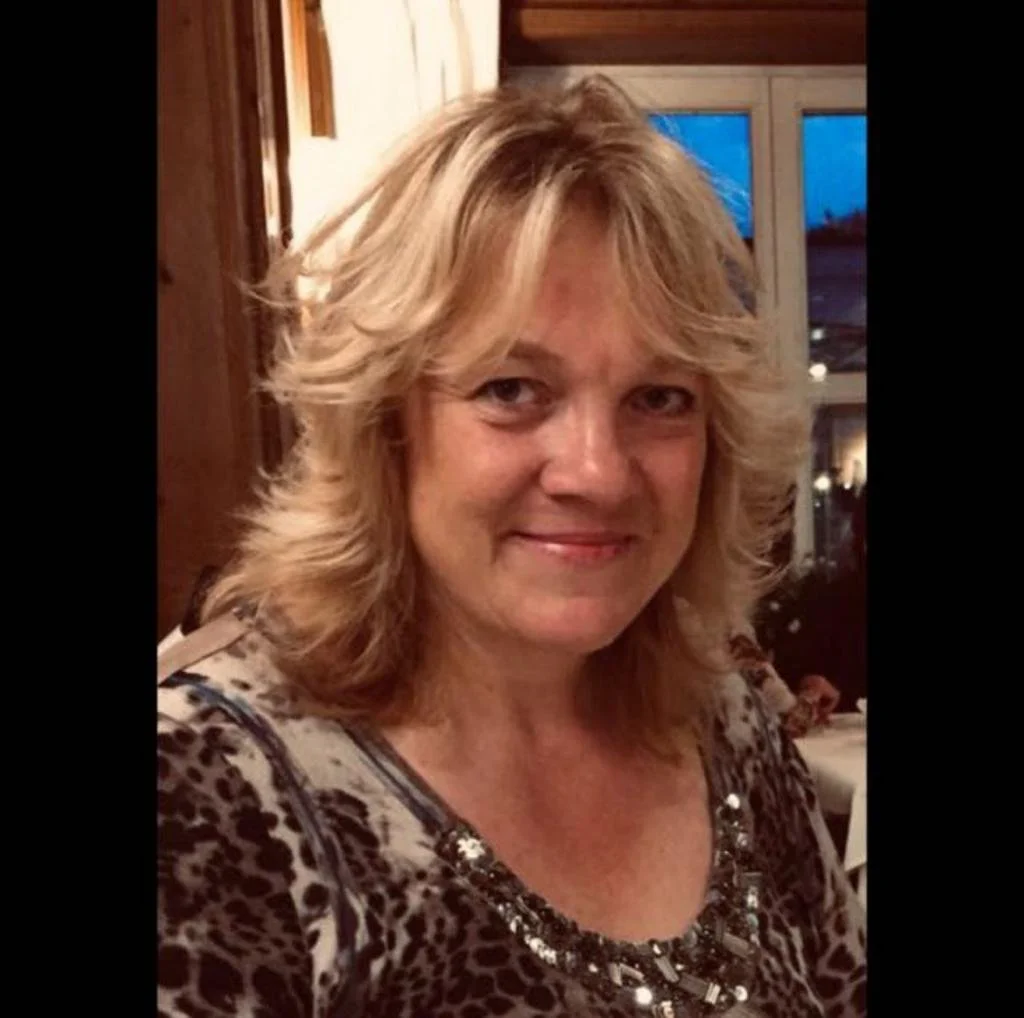
„Being on the right path — that's the feeling Kai conveys with the Anusara Immersion Online Course. With a lot of heart, fun and depth at the same time. The tantric philosophy and the precise alignment principles of Anusara Yoga are explained and practiced very well in the live online sessions. I find it brilliant that I can revisit everything I've heard anytime and deepen it for myself again. I've grown in my own practice. I feel supported and carried by Kai, despite the physical distance. Kai and his lovely team try to meet everyone exactly where they are, whether beginner or yogi. I discovered and fell in love with Anusara through Kai. It personally helps me regain strength and flexibility, and so become healthier and happier. Thank you for that.“

„Kai connects people and thereby creates a trusting space within the Kula. He conveys the values and principles of Anusara very vividly, authentically and with humor. Kai has a wonderful and relaxed way of teaching things. I had long been carrying the thought of diving deeper into yoga. The Online Anusara Immersion and Teacher Training with Kai came at exactly the right time. The great advantage of the Online Immersion for me is the flexibility, the permanent access to the complete content, so I can always go back and access it afterward. Another big advantage is the flexibility in time, to deepen and understand the content at my own pace. What's important to me is the practice, which definitely doesn't fall short in the online module either. I discovered Anusara through Kai. I'm enthusiastic and grateful to watch my personal development and internalize the alignment principles.“
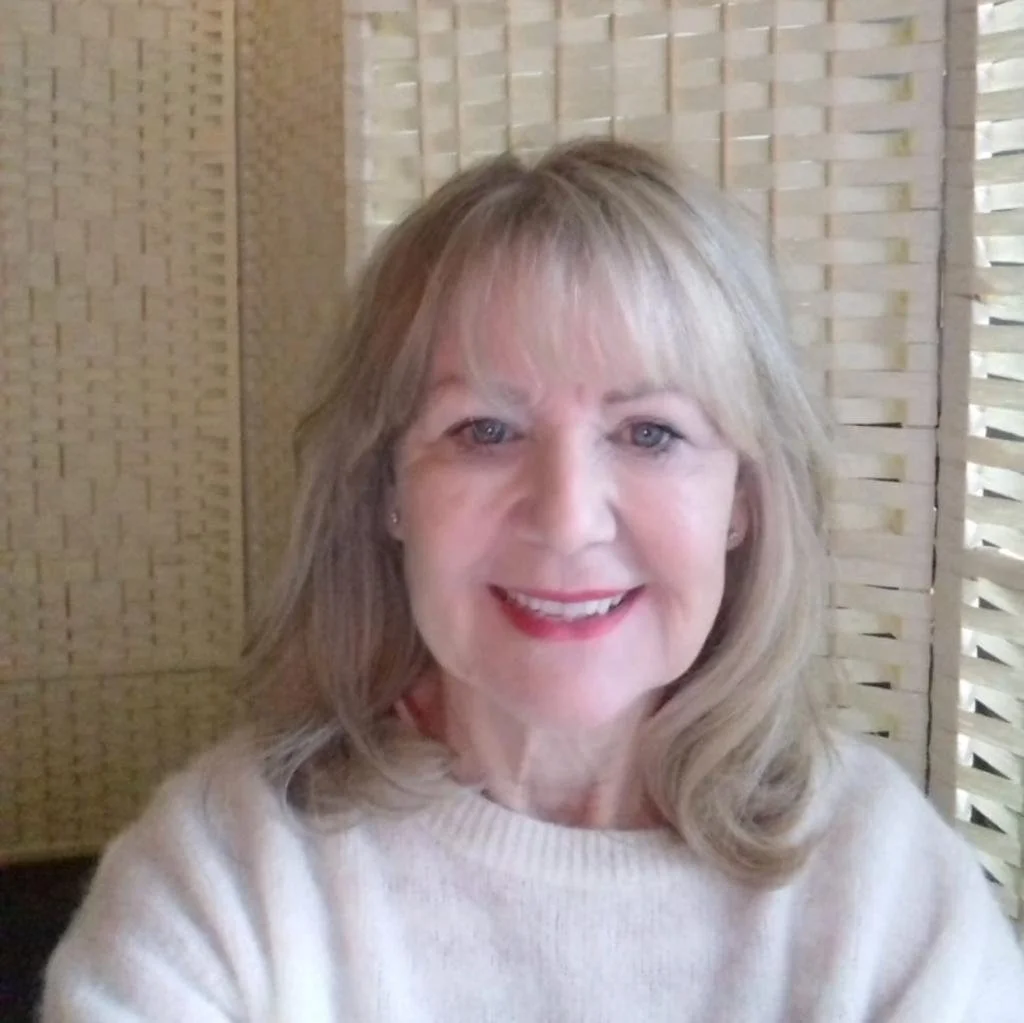
„From our very first day of the course, I felt part of a Kula. That was thanks to Kai and his ability to welcome everyone with warmth, while also giving them space. The course is aimed at people who are serious about it and want to learn the beautiful Anusara system and everything that goes with it — philosophy, anatomy, class themes, universal alignment principles, and bringing one's own personality into teaching. Kai's teaching method was precise and very thorough. And it was fun! Kai shares his knowledge very generously; his joy in sharing his deep knowledge and experience unreservedly comes through very clearly. Two very valuable things I discovered in my training with Kai and his team so far are authentic ‘being yourself’ and, of course, always being prepared!“
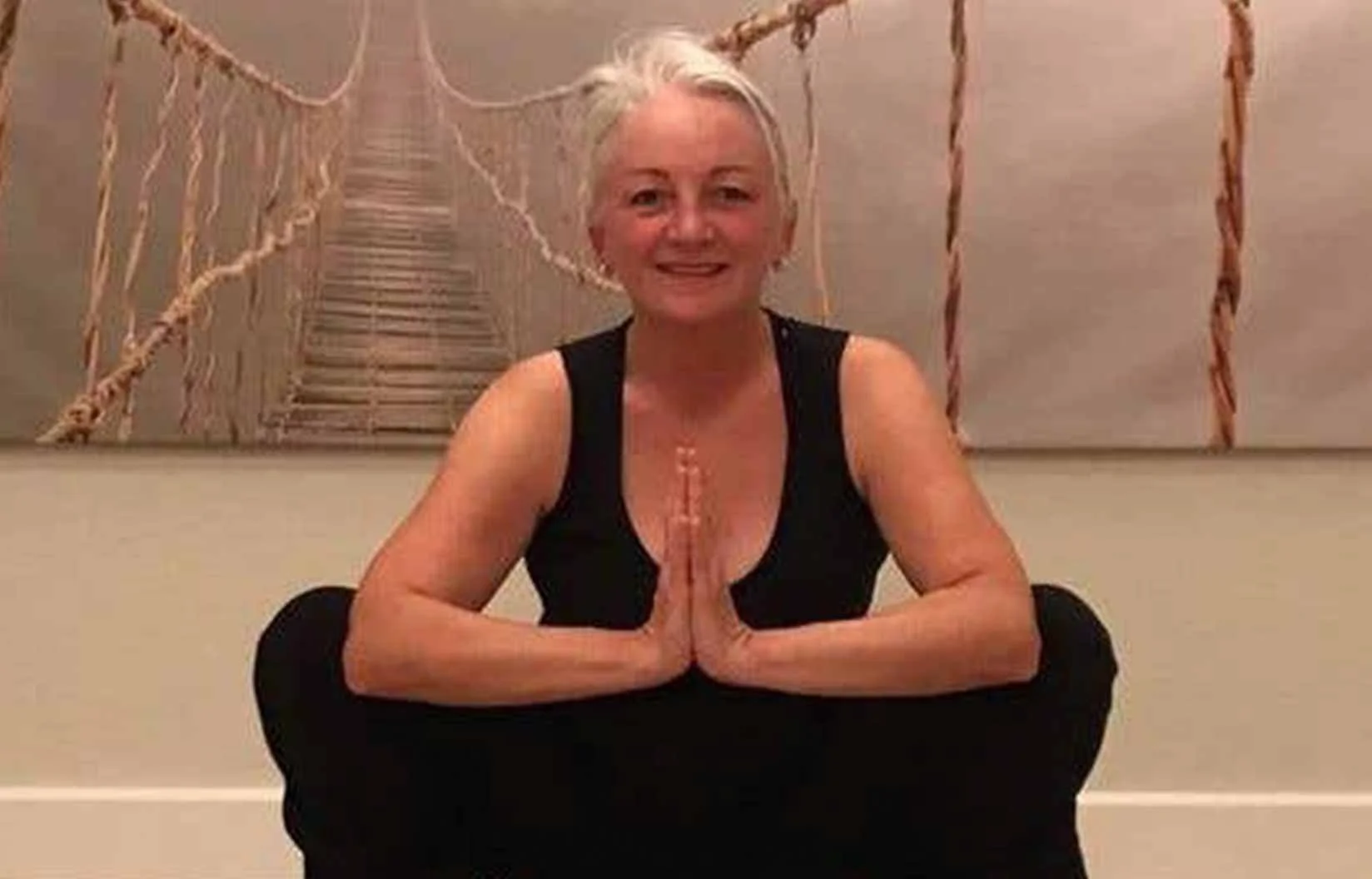
„My experience in Kai's (Anusara) trainings has always been very inspiring and transformative. He conveys tantric thinking in a very illuminating way, from heart-centered themes to philosophy to sequencing and class planning with alignment. The modules are built on each other very logically and systematically. He manages to meet participants exactly where they are and coach them further with a great deal of heart and respect, so that the very best in a person comes to the surface. For me it was a personal enrichment that goes far beyond the boundaries of ‘yoga’, doing these trainings with Kai. And… it was tons of fun!“
Honest Signposts
The traps no one warns you about.
Awakening has near-enemies — distortions subtle enough to feel like progress. None of these mean you’ve failed. They’re simply the places the path narrows, marked plainly so you can keep walking.
-
Inflation
The pride of being “awake.” The moment an experience becomes an identity, it has quietly become the ego’s new costume. The mark of the real thing is that it makes you ordinary, not special.
-
Bypassing
Using insight to avoid feeling. “It’s all awareness” can become a way to skip the grief, the anger, the conflict. The recognition is meant to meet your humanity, not to escape it.
-
Collecting
Chasing states. The luminous experiences are doorways, not trophies. Collecting them keeps you seeking the next one and missing the quiet ground that was always here.
-
The Peak
Mistaking an opening for the path. A dramatic experience proves what you are; it doesn’t finish the work. The living happens afterward, in the body and the ordinary day.
-
Striving
Expecting something big. The expectation of a grand shift is itself the last veil. Nothing big to expect makes it far easier to land where you already are.
The Who
Kai
In yoga practice for over forty years, training teachers for over fifteen — in the tradition of Tantra, from the Trika lineage of Kashmir Shaivism. A student of Christopher Wallis in recent years, whom I’d call my root guru.
I myself was a seeker for most of it. The seeking collapsed. And what remained was what had always been there.
Whoever looks for me will find the work — and so will find themselves.
More about Kai
Write to me.
If something here raised a question — about the work, the training, or where to begin — write. A real person reads it, and a real person replies.
Write to Me →